Editorial
Fourmin

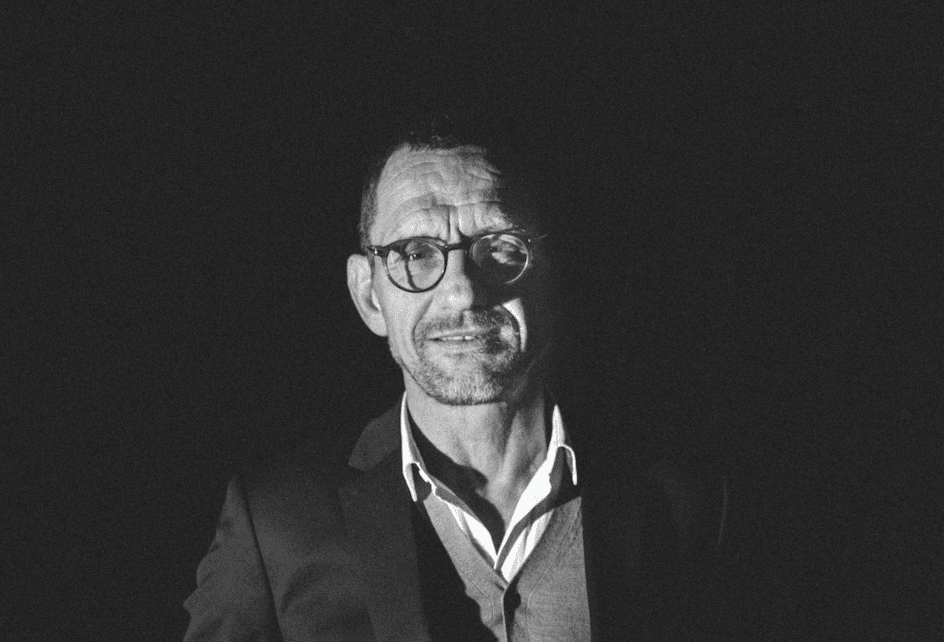
As someone in their forties working in the consulting industry, I'm particularly attuned to the issue of age in the workplace. I've often heard remarks like "we don't age well in agencies." This says a lot about our biases and hits home for me. Why should I consider a career change just because I'm getting older? This question is all the more crucial today as we face a profound transformation in our relationship with work: longer careers, an aging workforce, and the need for continuous learning and career shifts throughout our lives. In this unprecedented demographic context, where careers now span fifty years, it's time to rethink our view of age in the workplace.
Ageism is currently the most commonly experienced form of discrimination in the professional world, as revealed by the 2021 Medef/AFMD equal opportunity survey. It's a unique type of discrimination because, unlike others, it will affect all of us at some point. However, our society is still struggling to view this issue as a major collective concern, especially in the corporate world. As Laetitia Vitaud, a future of work expert, points out, "For younger people, it's the feeling that their profile is discredited, that they aren't given the legitimacy they deserve. For older individuals, it's the fear of being judged solely on their age rather than their skills." This double-edged discrimination impacts the entire age spectrum, creating ongoing tension in the professional realm.
This reality emerges in a context where our perception of age is becoming increasingly complex. Age is no longer just a simple chronological measure that we once thought to be immutable. Today, there are multiple aspects of age: chronological, biological, perceived, social, and professional. I can't help but smile when I think that at 40, and still without a driver's license, I don't fit the "traditional markers" of adulthood. This diversity of paths and experiences should encourage us to rethink our preconceptions about age in the workplace.
Especially since the active workforce now spans ages 20 to 70, creating an unprecedented fifty-year spectrum of professional activity. Careers, once linear, are now fragmented and reinvented in step with technological and industrial advances, necessitating continuous training and career adaptability, while extended working life becomes a reality. As the workforce inevitably ages, companies or organizations that continue to target only experienced 30-somethings, that so-called "golden unicorn," are headed for a dead-end. They will have no choice but to integrate and value older profiles.
The good news is that intergenerational inclusion isn't just about ethics or social responsibility: it's a real performance booster. As Laetitia Vitaud explains, "Environments that mix ages are environments where there is better quality of work life than those where everyone is the same age. [...] Intergenerational support enables everyone to be more productive."
To successfully navigate this transformation, companies and organizations must take concrete action. It starts with recruitment by rethinking job postings to eliminate implicit age biases. Words matter: talking about "energy" or using "junior/senior" terms can unconsciously exclude certain profiles.
The organization of work must also evolve, encouraging intergenerational mentorship and adapting the work environment to meet the needs of all. Adjustments that, far from creating constraints, benefit everyone: a workspace designed for older employees (acoustic considerations, optimized ergonomics) improves comfort for the entire team.
This focus on intergenerational collaboration naturally fits within a broader effort to enhance the employee experience. It's well known that companies putting humans at the heart of their strategy, considering everyone's specific needs regardless of age, are best at creating a fulfilling work environment. Intergenerational inclusion is therefore a fundamental pillar of a successful employee experience, allowing everyone to envision a long-term future and thrive professionally.