Updates
6min
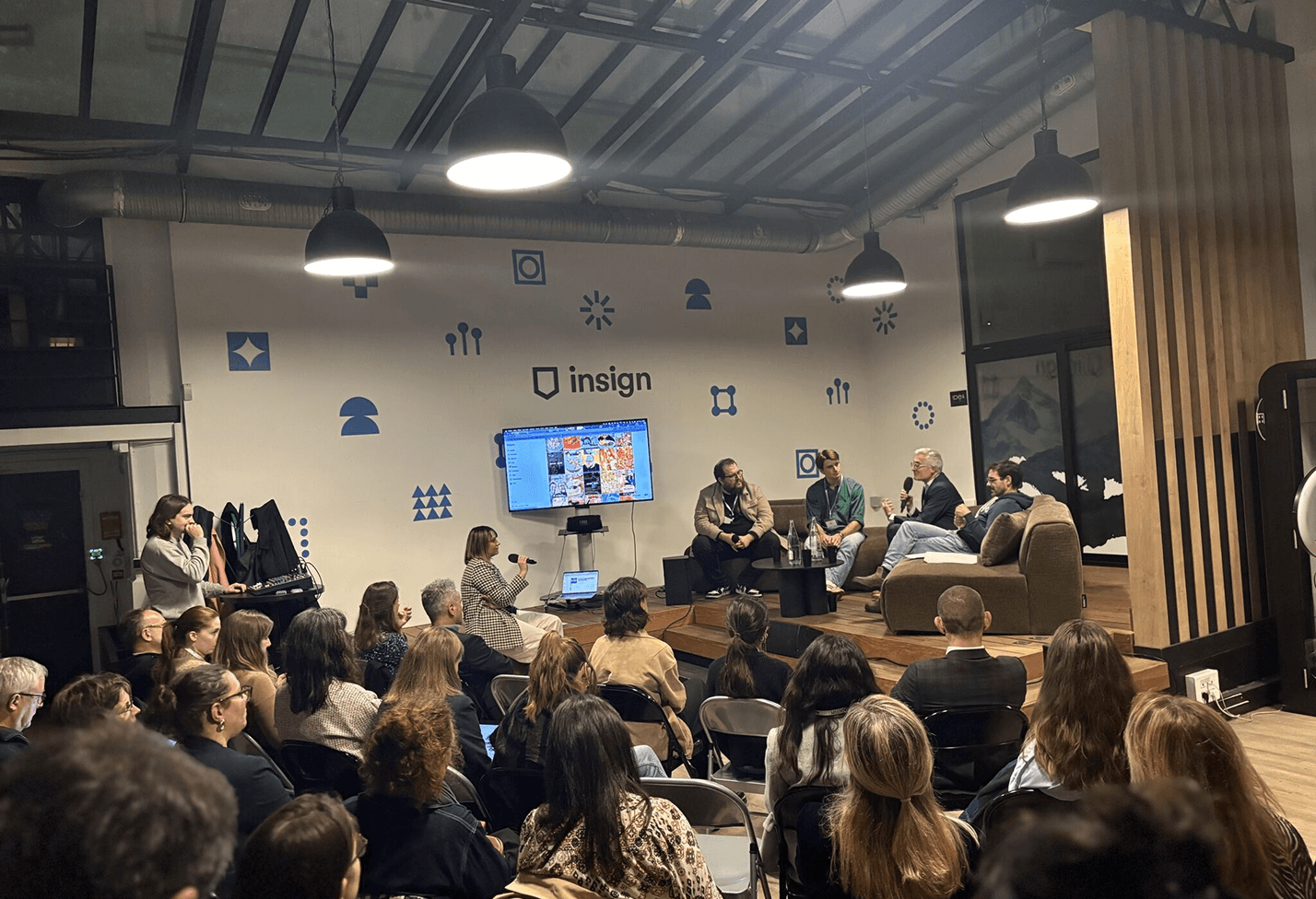
Event on November 6 – Launch of ADETEM's 'Influence Marketing' Hub
Speakers:
Stéphane Martin - General Manager of ARPP
Thibaud Villanova (aka Gastronogeek) - Chef, content creator, and culinary author
Vladimir Vinograd - General Manager of Intello
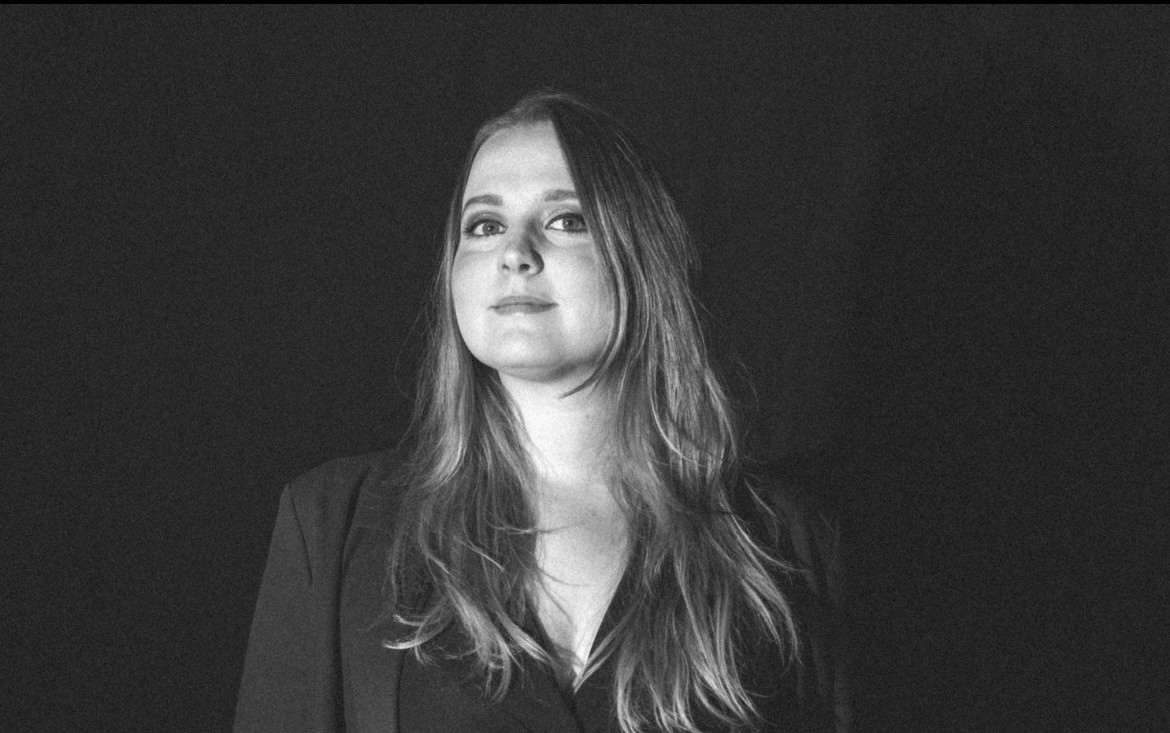
Eva Van Ruymbeke - Director of Narrative Strategies - at Insign
Stéphane Bouillet - General Manager of Influence4You
Top 10 Takeaways from the Evening
Why an ADETEM Hub for Influence Now?
ADETEM sees that influence has evolved from a trend to a strategic lever. The French market is worth around €519 million (compared to ~€300 million two years earlier), representing nearly 5% of digital advertising. For B2C, B2B, and employer brands, influence is now the go-to for reaching targeted communities, nurturing preference, and building trust. The new hub's mission is to help marketers advance: sharing best practices, insights, and tools with a commitment to ethics and effectiveness.
A More Regulated Sector: Law, Self-regulation, Controls
In 2023, France adopted a law specifically for influence, supplemented by the conduct guide: influencers and content creators from Bercy. Transparency in commercial collaborations is mandatory, and the DGCCRF is in charge of enforcement. The ARPP, through self-regulation, provides training, certification, and measurement (Responsible Influence Observatory). Already, over 2,000 creators are certified. On a European level, pending legislation might bring some creators closer to a 'media' status (with editorial obligations beyond a certain audience threshold).
What's Still 'Grey': AI, Interpretations, 'Creator' Media
The unclear areas mainly come from gaps between French and European law and generative AI. Simple principle: if AI usage could mislead, it needs to be disclosed. Deepfakes, environmental footprint, and social responsibility are sensitive issues. Another point: traditional media adopting 'creator' codes on networks but not always displaying their partnerships with the same transparency. The framework should apply to all.
What's the Real Purpose of Influence: Image Today, Sales Tomorrow
Shared data confirms it: influence is one of the most 'comprehensive' mediums for visibility, image, consideration, and conversation. However, for short-term sales, it's not always the most effective. Where influence excels is in the long-term effect: an embodied recommendation (the 'best friend effect') lasts and translates into sales later.
'Native' Outperforms Paid Amplification
When the same creation is pushed organically by the creator and then amplified through paid media, engagement drops by an average factor of ~10 on the amplification side. Moral: influence's strength lies in the creator-community bond. Paid media can stabilize volumes but can't replace the impact of native content.
Managing Performance Variability
Views can fluctuate greatly from one piece of content to another. To mitigate this risk: rely on data (median histories, exclude outliers), diversify creators and platforms, and think in terms of activation portfolios. Set realistic goals (image vs. performance) and avoid guarantees of views without an adapted strategy.
Authenticity Can't Be Bought: It Must Be Built Through Alignment
For creators, acceptance criteria are clear: consistency with their editorial line, legitimacy on the topic, clear framework and constraints, and non-negotiable transparency. Professionalization (better production, teams, more ambitious formats) does not kill authenticity if the partnership feels 'natural.' On the contrary, it can strengthen the message's credibility.
Polarization and Brand Safety: Anticipate, Equip, Accept Some Risk
Conversations polarize quickly (politics, society, food, etc.), and platforms can amplify these dynamics. Best practices: due diligence on talent history, editorial framing, equipped moderation, and ready-to-use response and crisis scenarios. Working with humans involves some risk: clear red lines and crisis governance are needed.
Budgets, Formats, and 'Gifting': An Expanded Toolkit
Budgets vary widely depending on the goals, casting, rights, and duration. To explore niches and spot emerging talents, 'gifting' (offering products) works well with nano/micro creators, often offering very competitive CPMs, and can help them professionalize. At the other end, richer setups (shows, multi-platform activations, reusable long-form content) require a more significant investment but create more brand assets.
What's Coming: Proprietary Formats and Co-Broadcasting Two Noteworthy Trends:
The creation of IP/proprietary formats like 'web TV' (YouTube/Twitch). It opens the door to more structured partnerships, with clear sponsorships and premium content.
YouTube cross-posting: 'creator x brand x media' co-broadcasting allows for audience crossover and better value sharing. On the AI side, the sensible approach is to treat it as a useful productivity tool, transparent when necessary, without replacing the human presence that is the strength of influence.