Article
8min
Just being visible isn't enough anymore: a brand needs to be identifiable, consistent, and able to claim a clear spot in its audience's mind.
How do you define your brand territory?
Building a relevant brand territory comes down to a structured approach. You need to look at three key areas: your brand DNA, audience expectations, and the market spaces already claimed by your competitors.
1. Go back to your brand DNA
First and foremost, your territory must be true to your company. Analyze your history, vision, mission, culture, values, goals, and positioning to pinpoint what genuinely sets you apart.
Vague values like "innovation" or "customer-centric" won't cut it if everyone else in the market is claiming them too. You need to understand the unique way your brand brings these ideas to life.
This phase uncovers the core concept pillars that will guide your creative direction.
2. Understand audience expectations
A territory doesn't exist purely from the company’s perspective. It has to resonate with your audience's expectations as well.
This means looking closely at the motivations, friction points, habits, and current perceptions tied to your category. Specifically, it helps to understand:
What clients expect from the industry;
The emotions they are looking for;
Their main pain points;
The visual and verbal cues they find reassuring;
The outdated tropes they want to move past.
Gaining this insight keeps you from building a creative universe that is disconnected from the real market.

3. Map out competitor territories
Competitive analysis is a central step. It's about much more than just comparing logos. You need to study the visual codes, story arcs, tone of voice, promises, and topics used by other players in your space.
Mapping this out helps you identify:
Saturated territories;
Dominant industry conventions;
Overused, generic codes;
Relatively untapped spaces;
Opportunities for smart, disruptive moves.
The sweet spot for your territory lies right at the intersection of what is authentic to your brand and what remains open and distinctive in your market.
4. Define your territory pillars
The previous research needs to be distilled into a few core pillars of expression.
These pillars can be ideas, emotions, or creative principles. They should be specific enough to guide your decisions, yet broad enough to allow for a wide range of activations.
Each pillar must then be translated into practical design and copy choices: imagery style, editorial rhythm, color palettes, vocabulary, styling, or narrative formats.
This translation is critical. A strategic concept only becomes truly useful when it empowers your creative teams to make clear, actionable decisions.
5. Test the territory across touchpoints
A great brand territory works on more than just a strategy deck. It needs to be tested on real-world use cases: homepages, ad campaigns, social media posts, sales pitches, packaging, or digital experiences.
Two questions are essential here:
· Do the assets clearly feel like they come from the same brand?
· Does the territory allow for fresh creative ideas without becoming repetitive?
If it's too vague, it offers no direction. If it's too rigid, it suffocates creativity.

What mistakes should you avoid when creating a brand territory?
The biggest mistake is chasing trends blindly. A popular aesthetic might make you look modern right now, but it's a surefire way to make your brand blend in with the rest of the pack.
You also want to avoid confusing personal preference with strategic relevance. Choosing a color, tone, or photography style shouldn't just come down to the personal tastes of executives or creative teams.
Another pitfall is piling on brand assets without a clear thread. A brand can have a ton of design elements and editorial guidelines, but still be unrecognizable if there is no core principle tying them all together.
Finally, your territory shouldn't be disconnected from your business reality. If a brand adopts a radical or highly bold stance, it has to be ready to back up that positioning in its decisions, products, and customer experience.
Consistency between what you say and what you do is the only way to build lasting brand perception.
What is a brand territory?
A brand territory is the expressive space a brand seeks to occupy in the minds of its audiences. It brings together the ideas, emotions, codes, and attributes that the company wants to be consistently associated with over the long term.
Because of this, it goes far beyond just a visual identity. While colors, typography, or photography styles contribute to your territory, they aren't enough to define it on their own.
Among other things, a brand territory includes:
The themes and topics the brand speaks on;
The emotions it wants to evoke;
Its tone of voice and vocabulary;
Its graphic and photography styles;
Its cultural or symbolic references;
Its narrative structures and storytelling;
The customer experience delivered at every touchpoint.
Ultimately, the territory acts as a comprehensive framework that translates brand strategy into a visible, audible, and sometimes tangible experience. A brand built around precision won't use the same creative cues as one built on grit or approachability.
What's the difference between brand positioning, platform, and territory?
People often mix up brand territory with brand positioning or a brand platform. Think of positioning as the specific spot your business wants to win in the market. The brand platform maps out your strategic foundations: vision, mission, values, promise, and personality. The territory is what translates that entire foundation into actual expression.
You can break down the difference like this:
Positioning pinpoints the market space the brand wants to claim;
The brand platform defines who the brand is and what it stands for;
The brand territory determines how that unique identity will look, sound, and feel.
In short, the territory serves as the bridge between strategy and creative execution.
Why define a brand territory?
Defining your territory is about more than just standardizing your marketing assets. It solves several major strategic challenges.
Boost brand recognition
Brands become recognizable when they consistently repeat identical cues over time.
When done right, audiences don't even need to see your logo to know it's you. A specific tone of voice, image style, layout, or narrative style can do the job on its own.
This recognition is built on repetition: a brand territory isn't created overnight by a single mood board. It grows stronger when the same core principles are applied consistently across all touchpoints.
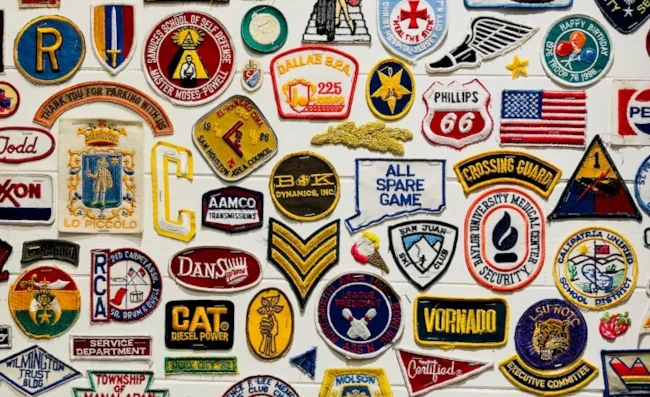
Stand out from competitors
B2B companies often fall into the trap of using the exact same playbook: consultancies preach expertise and transformation, while tech startups stick to the same shades of blue and gradients.
Analyzing your brand territory helps expose these clichés and reveal uncontested competitive spaces. The goal isn't just to be different for the sake of it, but to find a distinct way of expressing your genuine brand identity.
Build a clear framework for company messaging
A brand territory acts as a single source of truth for marketing teams, communicators, designers, writers, and external partners.
It helps answer simple, everyday questions:
Does this campaign actually feel like us?
Is this a relevant topic for our brand to speak on?
Could a competitor easily swap their logo onto this asset?
Is our tone of voice staying consistent across channels?
In other words, it cuts out subjective guesswork and drives global consistency.
What elements make up a brand territory?
A brand territory is built on several complementary layers. The visual territory includes colors, typography, shapes, layouts, and photography styles that make you instanty recognizable. These choices must express a real personality, not just look pretty.
The verbal territory defines how your brand talks: tone of voice, vocabulary, pacing, and overall style. This extends into the stories you tell, the topics you champion, and the emotions you want people to tie to your brand.
Finally, your territory plays out in the experiences you deliver: digital UX, packaging, sales meetings, or customer support. For some brands, even sounds, tactile textures, or scents can become distinct identifiers.
How do you keep a brand territory alive over time?
A brand territory needs to stay consistent without standing still. Formats, audience habits, and technology change: your creative execution can evolve too, as long as you preserve the core principles that keep your brand recognizable.
Documenting your pillars, guidelines, and real-world examples helps guide your teams over the long haul. Your territory should also be regularly reviewed against market shifts and business growth to make sure it stays highly relevant.
A powerful brand territory translates what makes you unique into a cohesive, recognizable, and durable identity. Insign combines strategy, competitive analysis, data, and creativity to pinpoint high-impact differentiation spaces and build a brand territory that elevates your brand across every single touchpoint.
Ready to clarify or evolve your brand territory? Get in touch with the experts at Insign to make your business distinction instantly felt.